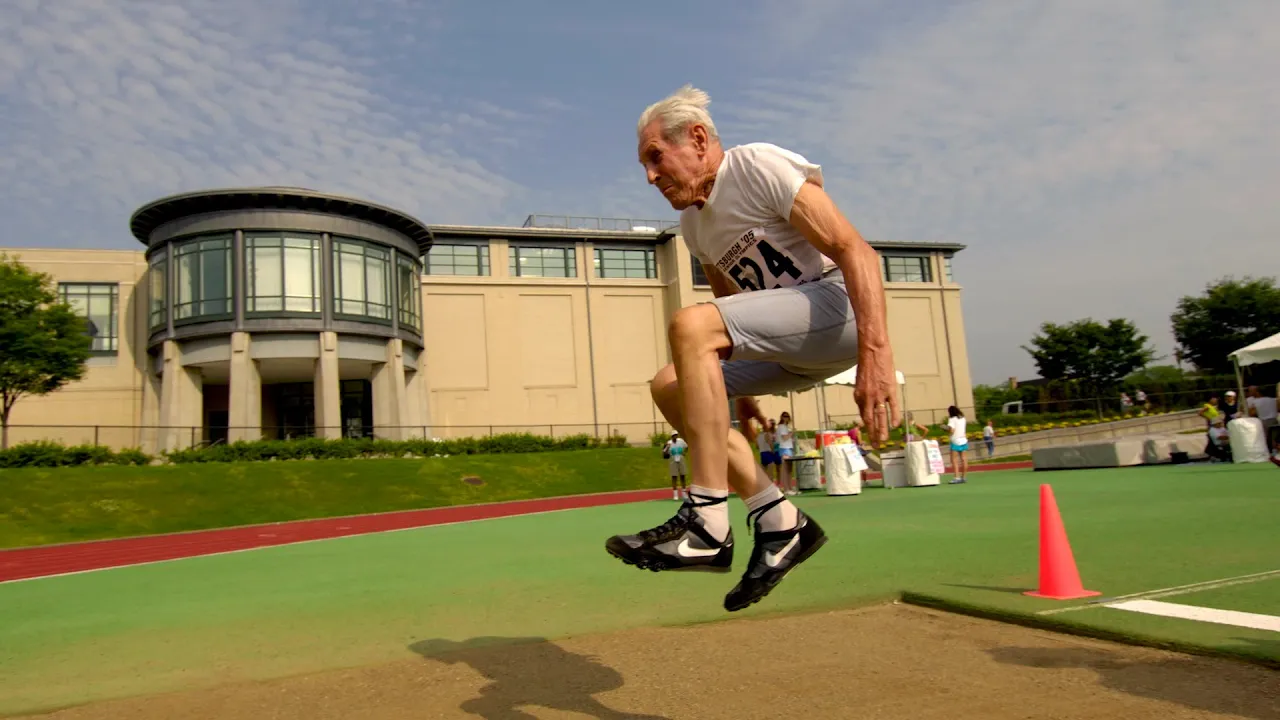
The National Senior Games is more than a biennial sporting event. It’s a health and well-being revolution that is helping adults age 50 and older recapture their health and extend their longevity through physical activity, social connection and preventative healthcare measures. In July 2025, more than 12,000 athletes aged 50 to over 100 traveled to Des Moines, Iowa, to compete against their peers in more than 25 sports.
Every athlete of every age who competes at the Games has a story of overcoming challenges, strengthening their willpower and redefining what it means to age.
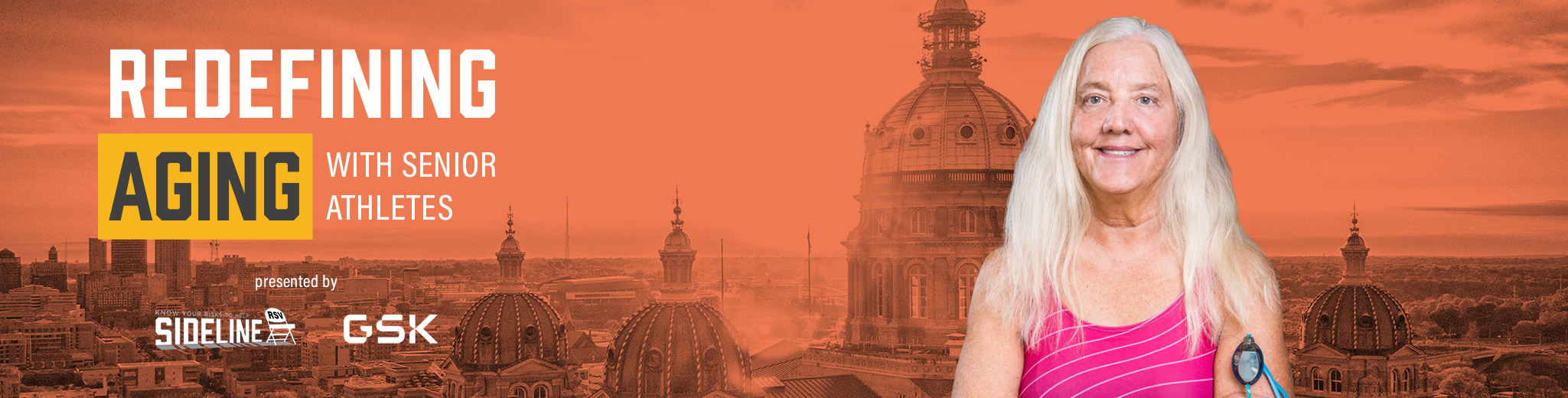
In her mid-50s, Julie, a swimmer from California, was at a low point in her life.
“I was depressed. I had gained a lot of weight. I was inactive,” Julie recalled. “I was in a lot of pain on a daily basis, and I was struggling to find something that I could do to break out of that.”
Then, after turning 60, Julie took a plunge back into life when she discovered a passion for swimming.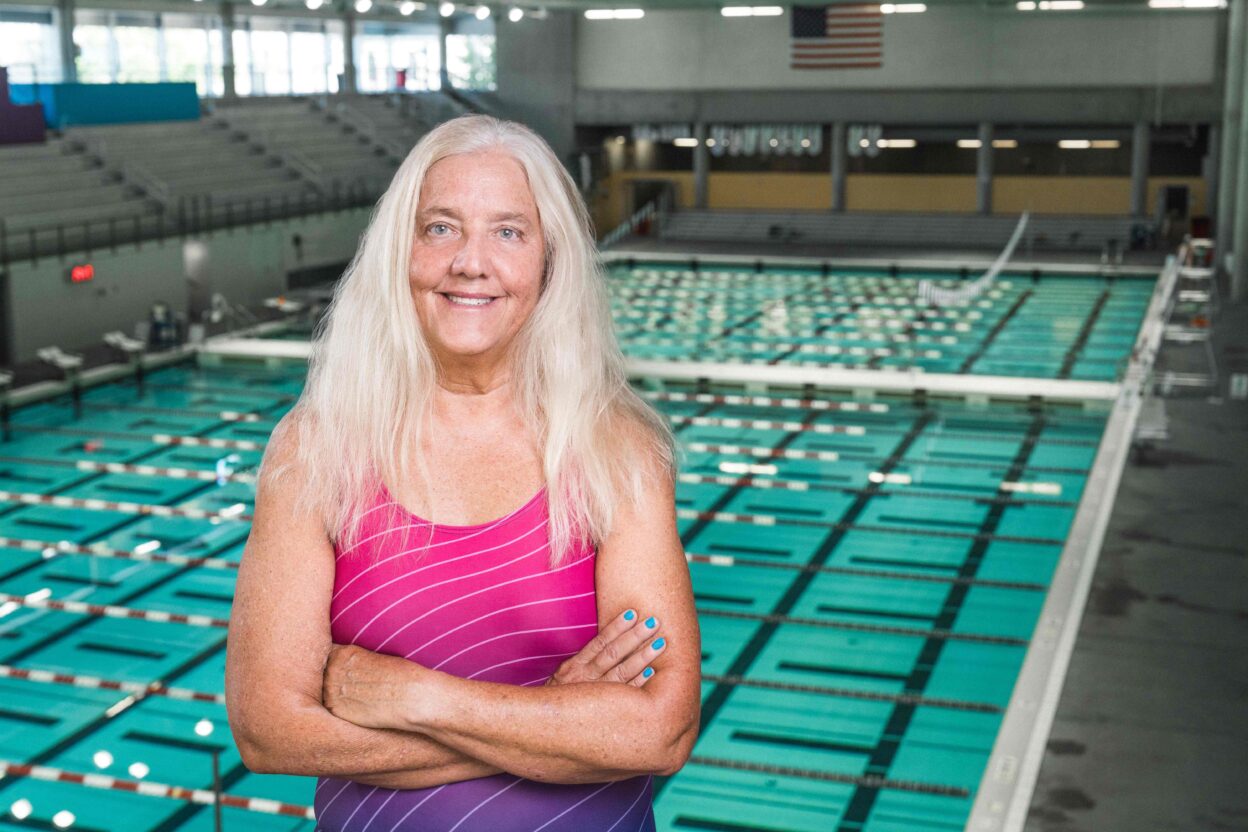
“If you had asked me a long time ago if I would have been a swimmer, I would have said ‘no way.’ But once I started to explore it for myself, I just fell in love with it,” Julie said. “When I get in that water, mentally I’m just in a completely different space.”
Her positive attitude to try something new stood out to her swim coach from day one. “She found our masters swim group online and she showed up on the pool deck and was just like, ‘Here I am. Let’s do this,'” Drake remembers.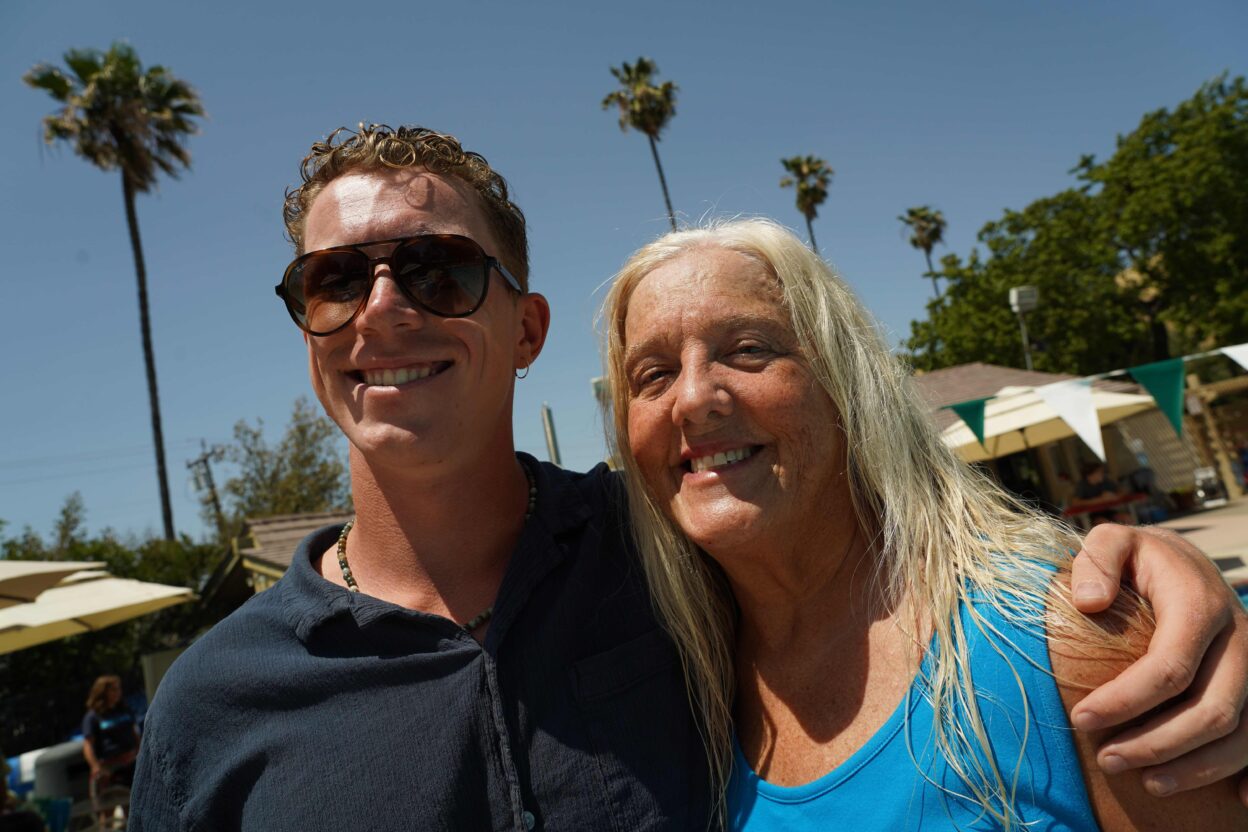
Swimming was a sport Julie watched for years as her son Michael swam on teams from childhood through college. Now it was his turn to be a spectator and cheer his mom on.
“I was shocked when she said she had joined a swim team,” Michael shared. “I was like, ‘What are you talking about?’ But it was cool to help coach her and watch how she just really improved. ”
“It was just this role reversal,” Julie said. “Michael was there and he’s like, ‘You did a great job, mom,’ and he’s putting the towel on. Then I got some medals and he’s like, ‘Let me take some pictures of you.’ It was a really special time, just the two of us.”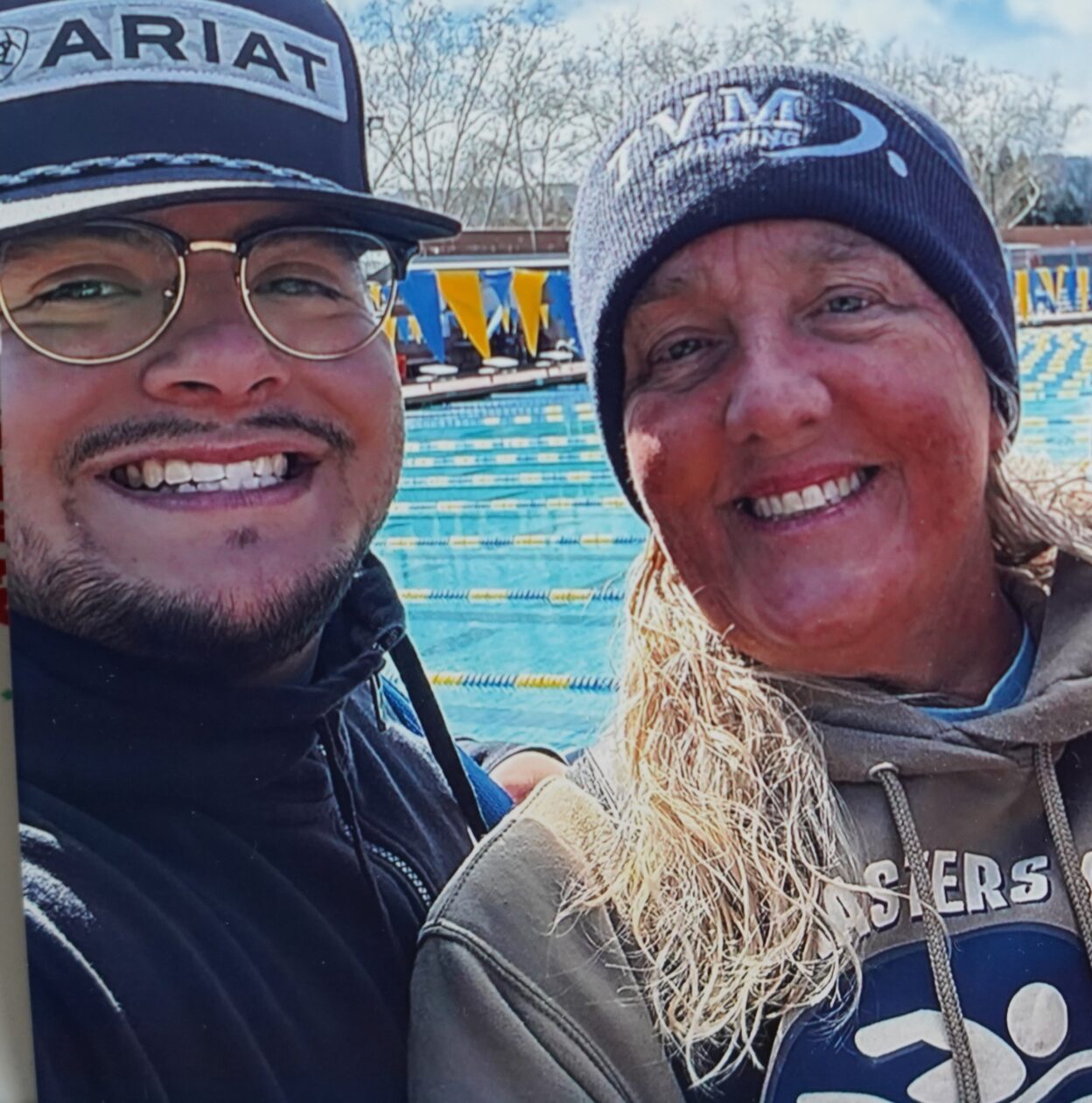
Julie swims despite health issues that make it a challenge. She has chronic pain from old soccer injuries and developed asthma, a condition that puts her at increased risk for severe respiratory syncytial virus, or RSV.
“RSV is a common, contagious respiratory virus,” says Dr. Leonard Friedland, Vice President and Director, Scientific Affairs and Public Health for GSK Vaccines. “Symptoms can include fever, headache, fatigue, congestion, runny nose, and trouble breathing. Symptoms of RSV can range from mild to severe and can typically last up to 2 weeks. People at increased risk for severe RSV include adults 50 years of age and older with some underlying medical conditions such as congestive heart failure, asthma, and COPD (chronic obstructive pulmonary disease).”
It is estimated that, for adults aged 65 and older, approximately 177,000 hospitalizations are caused by RSV each year in the U.S. Of those cases, 14,000 people will die from RSV every year.
“There are options to help protect against severe RSV. If you are 50-74 with certain chronic conditions, or 75 and older, you should speak with your doctor or pharmacist to see if you are at risk of severe illness from RSV and discuss if vaccination may be an appropriate option for you,” said Dr. Friedland.
Julie’s underlying conditions make her ever mindful of taking preventative steps to avoid respiratory infections, so she talked to her doctor about her risk of severe RSV infection, and he recommended vaccination.
“My doctor told me that if I were to be infected with RSV, that would make that situation much more complicated for myself, including a higher risk of hospitalization, and that’s not something that I’m interested in at all,” Julie said. “I got vaccinated so I can help to avoid getting sick with severe RSV and continue to support others in my family.”
Julie is a caregiver for her aunt, who lives next door and has a chronic respiratory condition.
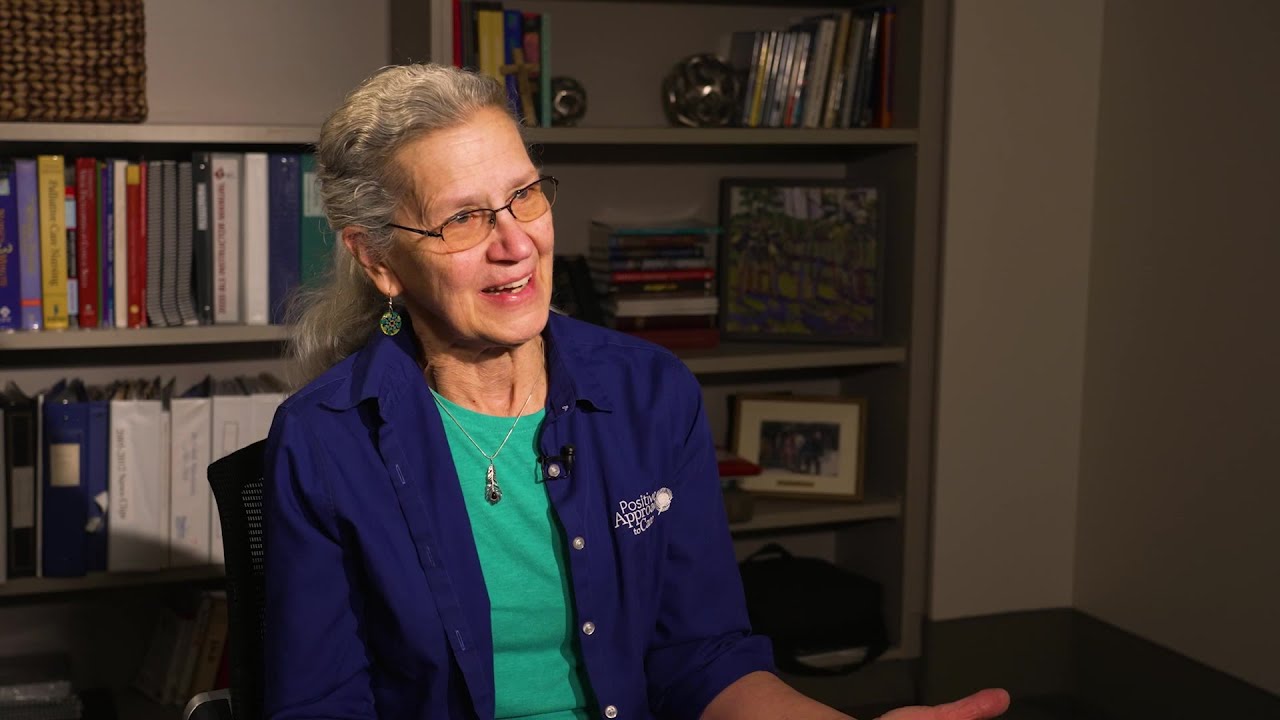
“It’s wonderful to have her next door,” says Katherine, Julie’s aunt. “I’m by myself, so all I have to do is pick up the phone and she’s there for me, which is a great help.”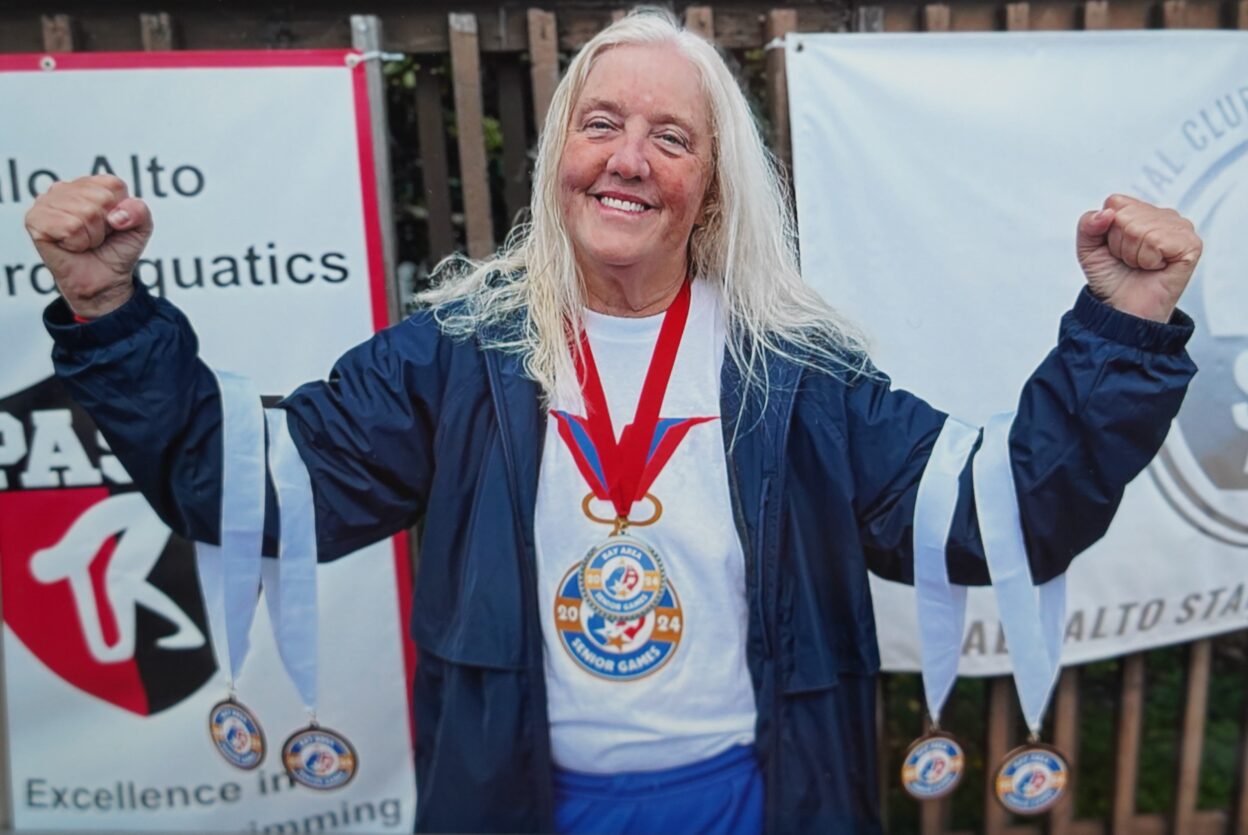
Julie, a former soccer player, once thought that her days as an athlete ended in college. But after finding swimming later in life, she pursued the sport and qualified for the 2025 National Senior Games.
The Games were yet another test of Julie’s willpower, as she unfortunately fractured two ribs just a few weeks before arriving in Des Moines. But just like her health challenges, this was another obstacle that wouldn’t stop Julie, who competed in the 60-64-year-old age group in the 50m butterfly, 50m freestyle, 50m backstroke, and the 100m individual medley, in which she proudly set a personal best time.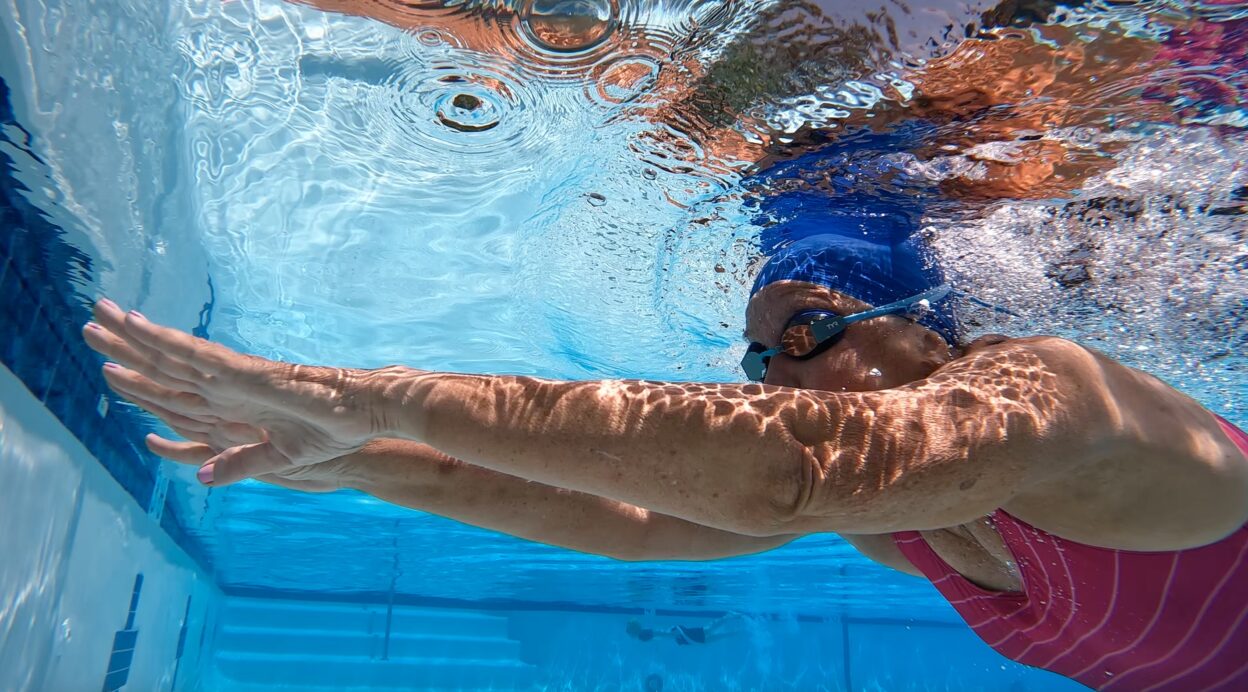
“I was really proud that I could compete. I was able to come and be here and have this experience, and I’m so happy that I was able to do that,” Julie said at the Games. “The thing that I’m most proud of is how I grew emotionally. I came by myself, met new people, took chances and risks of pushing beyond what I thought I could do and stretched my comfort zone.”
Julie is just one of the thousands of senior athletes who are redefining aging. What was once viewed as a time of loss and limitation is now being accepted as a period of possibility and potential. Watch our national TV special below featuring Julie and other athletes just like her, and visit SidelineRSV.com to learn more about RSV risks and prevention.
Trademarks are property of their respective owners.
©2025 GSK or licensor.
NPUS-RVUWCNT250026 October 2025
Produced in USA.