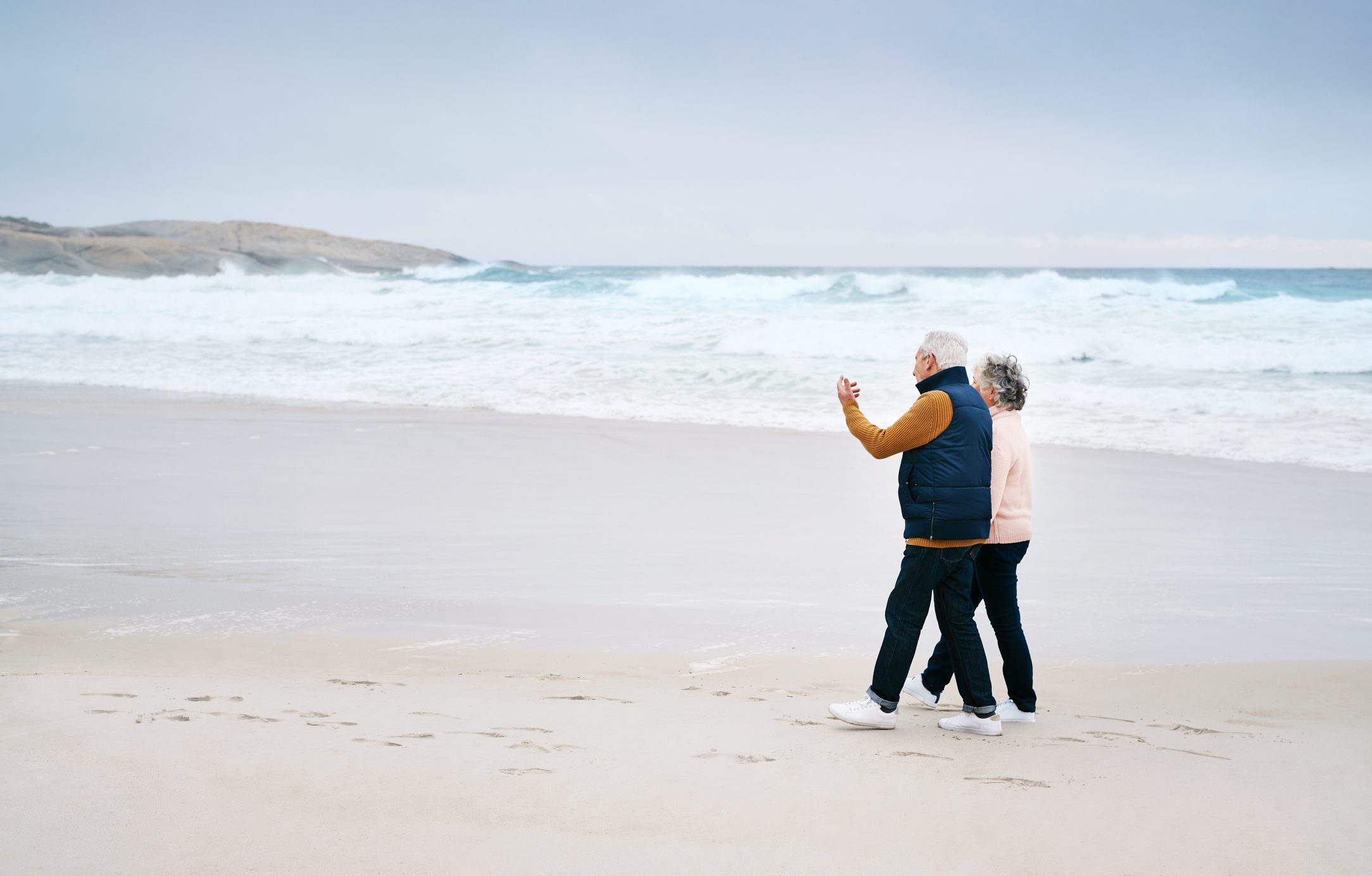
Walking is healthy and good for you. Cue eye roll, Captain Obvious. Hold on a sec. We have additional information to guide you along a healthier path.
A study that took place between 2003-06 shows that people who took 8,000 steps per day had a 51 percent reduced risk of death than those who took 4,000 steps per day.
It’s newsworthy today because those results were just published recently.
And it gets better the more you move along.
Those who walked 12,000 steps or more had a 65 percent reduced risk of death.
The study involved about 5,000 participants who, over a span of three years, wore pedometers.
“While we knew physical activity is good for you, we didn’t know how many steps per day you need to take to lower your mortality risk or whether stepping at a higher intensity makes a difference,” said Pedro Saint-Maurice, Ph.D., of NCI’s Division of Cancer Epidemiology and Genetics, one of the authors of the study.
“We wanted to investigate this question to provide new insights that could help people better understand the health implications of the step counts they get from fitness trackers and phone apps.”
The study is titled “Association of Daily Step Count and Step Intensity With Mortality Among US Adults.” Lead authors include Saint-Maurice, Richard P. Troiano, and David R. Bassett Jr.
“Based on a representative sample of US adults, a greater number of steps per day was significantly associated with lower all-cause mortality,” the report said in its conclusion. “There was no significant association between step intensity and all-cause mortality after adjusting for the total number of steps per day.”
So, do your future self a favor and take a walk today. Your body, mind and spirit will thank you.
How Pets Help Us Live Happier, Healthier LivesNaome Bradshaw – Tracing TraumaA Post-Vaccine Road Trip to Reconnect with Family, Friends and Food64-Year-Old Man’s Long, Troubled but Inspiring Road to GraduationA New Hope for Treating StrokesShantell Williams: Shut Up and RideOne Man’s Mission to Help Others With TinnitusWild Horse Rescue CenterSmall Acts That Change LivesHow Much Coffee is Too Much Coffee?Stressed Out? Go Green!Harris Rosen: A Man on a Mission